Trap Drum Programming: Patterns That Actually Hit
Trap Drum Programming: Patterns That Actually Hit
Most trap beats fail because the drums sit flat. They're programmed, not played. The difference is swing, layering, and understanding how velocity shapes pocket.
Layer Your Kicks
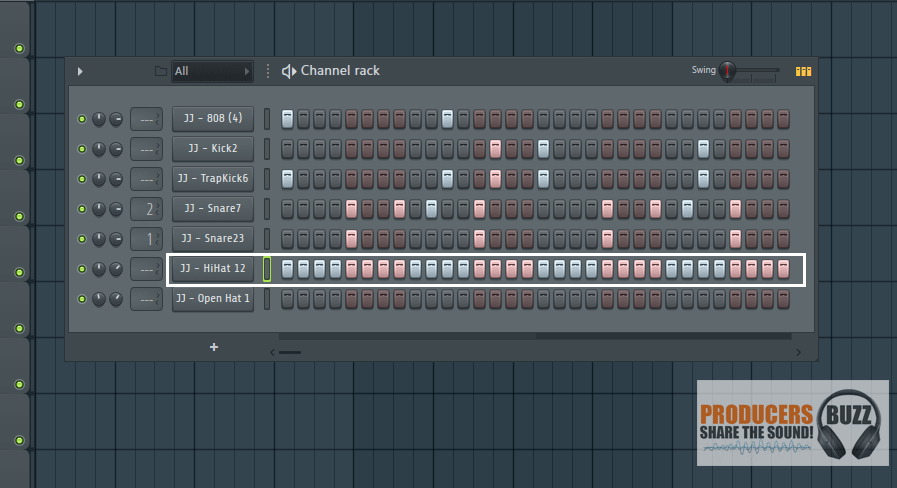
A single 808 or kick drum won't cut it. Layer at least two elements. Use a deep sub-bass 808 for low-end weight, then stack a punchy kick drum (often a shorter, filtered sample) on top for attack and clarity. In FL Studio, I'll automate the pitch of the 808 to add personality - slight variations keep it from sounding robotic.
The kick pattern itself should breathe. Don't quantize everything to the grid. Trap thrives on the on-beat, but the pocket lives in the space between hits. Pull your kicks slightly behind the grid - around 10-20 milliseconds - to feel heavier. It's counterintuitive, but it works.
Hi-Hat Rolls That Drive Energy
This is where trap lives. Hi-hats aren't decoration; they're the engine.
Program a basic closed hi-hat on eighth notes, then layer open hats on syncopated sixteenth notes. Vary the velocity: closed hats stay consistent (around 70-80), but open hats should dance (60-95 range). Lower velocities on off-beat hits create swing without sounding sloppy.
Use a high-pass filter on your hat buss and automate it during drops. Tighter, more aggressive filtering on hats builds tension; open it up on breakdowns for contrast. This automation trick alone elevates beat arrangement and keeps listeners locked in.
Snare/Clap Placement
Your snare hits on the 2 and 4 - that's locked in trap DNA. But the magic is layering snares. Stack a tight snare with a clap underneath. Use different samples: one bright, one darker. Pan them slightly apart (maybe 15% left/right) to create width without losing punch.
Offset the clap by 5-10ms behind the snare for a richer, more human feel. Add a third layer - maybe a rim click - on half-time hits for texture variation.
Velocity and Humanization
Programming is mathematical; beats are organic. Use velocity to tell a story. If your snare is at 100 velocity every hit, it's lifeless. Vary snares from 85-100. Kicks can shift between 95-100. This tiny range creates micro-dynamics that make beats breathe.
Working out of my studio in Knoxville, I always A/B my velocity curves against reference tracks. Listen to professional trap beats - you'll hear consistent variation, not rigidity.
Reverb and Decay
Don't forget space. A short reverb (200-400ms) on snares and claps adds dimension without washing out clarity. High-pass the reverb send so low-end mud doesn't build up. This is essential for trap, where the low-end needs to stay surgical.
Next Steps
Apply these layers to your next beat. Start with the kick and hi-hats, then build snare character. Listen to how the pocket shifts with swing and velocity. If you're ready to elevate your mix, check the beat catalog at owlspec.com for reference production, or book a mix or master at owlspec.com/services to hear how professional sound design polishes raw programming.
Trap drums hit hardest when they feel alive.