Mixing Kicks and 808s: Solving the Low-End Battle
Your kick and your 808 are fighting for the same frequency space, and if you don't referee that fight in the mix, everything below 150Hz turns into mud. This is the single most common problem I hear in beats sent to me for mixing out of my studio in Knoxville, and it's almost always fixable with three moves: EQ carving, sidechain, and pitch discipline.
Start with pitch, not EQ
Before you touch a single plugin, tune your 808 to the key of the beat and make sure your kick isn't clashing with that same fundamental note. A kick with a strong 60Hz thump sitting under an 808 tuned to a note that resonates at 55-65Hz will always fight for space, no matter how much EQ you throw at it. If your kick has a tunable pitch knob or sample, nudge it slightly off the 808's fundamental. Even a small interval separation does more for clarity than an hour of EQ moves.
Carve, don't just boost
Once pitch is sorted, decide which element owns the sub. In most trap beats, that's the 808. Roll off everything below 40-50Hz on your kick with a high-pass filter, keep the punch and click above that, and let the 808 own the true low end. Then carve a small notch in the 808 around wherever your kick's punch frequency sits (usually 80-120Hz) so the kick's transient can still be heard on top. You're not adding anything here, you're making room.
Sidechain for separation, not just pump
Sidechain compression gets talked about as a creative pumping effect, but its real job in this context is traffic control. Set a fast attack, short release (40-80ms) sidechain compressor on your 808, triggered by the kick. You don't need heavy gain reduction, 2-4dB is plenty. This ducks the 808 just enough on every kick hit that the transient cuts through without you needing to carve deeper EQ notches that would thin out the tone.
Check it in mono
Low end problems hide in stereo and show up hard in mono, which is how most people will actually hear your beat, on a phone speaker or a Bluetooth speaker. Flip your master to mono and listen specifically to the kick-808 relationship. If it collapses or one element disappears, you've got phase or frequency overlap you missed.
Reference against a system you trust
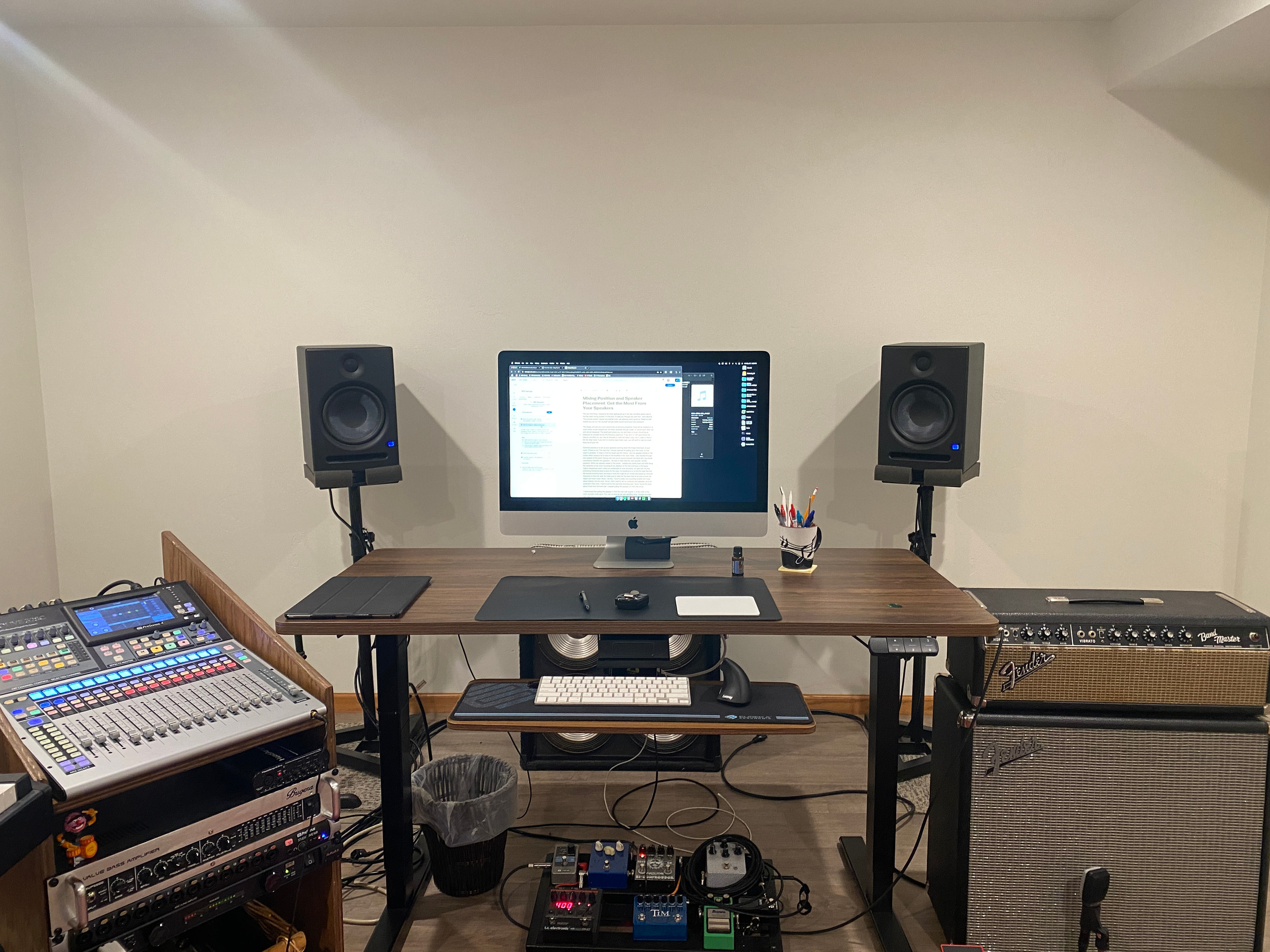
Load up a reference track you know translates well on club systems and phone speakers, and A/B your low end against it at matched volume. This catches problems your studio monitors might be lying to you about, especially if you're mixing in a treated room that flatters the low end more than a typical listening environment will.
Get the pitch and carving right first, and sidechain becomes a finishing touch instead of a crutch. Check the beat catalog at owlspec.com/beats to hear this balance in a finished record, or book a mix or master at owlspec.com/services if you want a second set of ears on your low end.