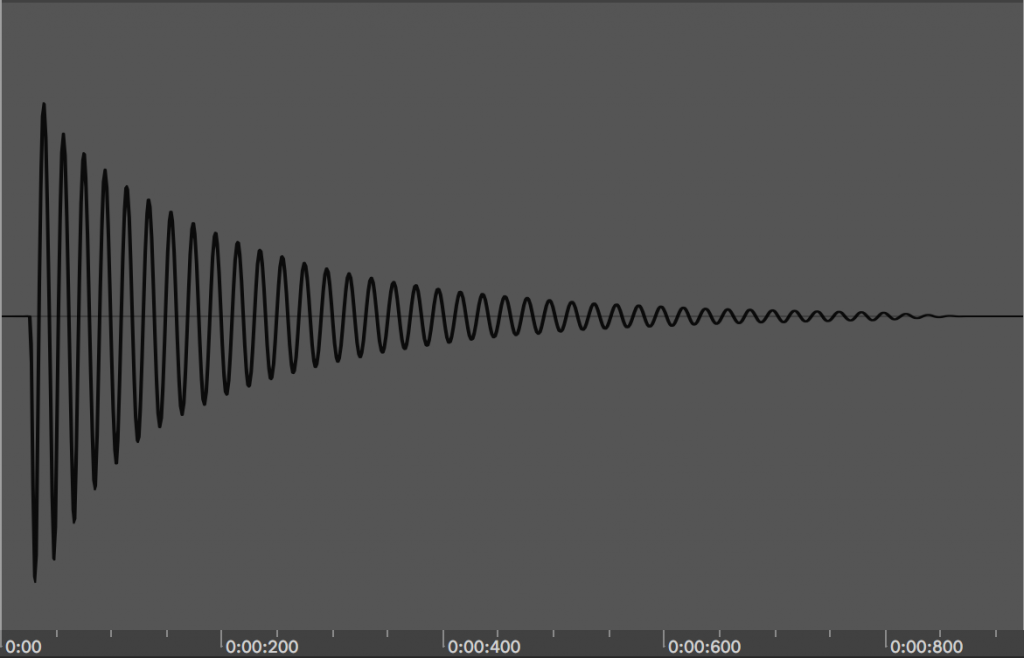
808 Sound Design: Building Bass That Moves Air
Tune your 808 to the key of the beat before you touch a single plugin. An 808 that's a quarter-step off the melody will fight everything else in the mix no matter how much EQ you throw at it. Most DAWs let you pitch-shift a sample in real time, so find the root note first and lock it in.
The transient is where the punch lives. A raw 808 sample usually has a soft, rounded attack, which is why so many trap records layer a short click or a sub-focused kick underneath the first few milliseconds. Working out of my studio in Knoxville, I'll blend a transient shaper with a touch of saturation on just the attack, leaving the sustain clean so the low end doesn't get muddy.
Glide matters as much as tone. Long, sliding 808 patterns need a glide time that matches the tempo, not a default preset value. Too slow and the pitch bend sounds sluggish against a fast hi-hat pattern; too fast and you lose the vocal-like slide that makes trap 808s feel alive.
For mixing, high-pass everything else in the low end around 100-150 Hz so nothing is competing with the 808 for space. Then use a narrow EQ cut on the 808 itself to carve out room for the kick's fundamental frequency. Reference the beat on a phone speaker before calling it finished. If it disappears there, the sub content is too narrow and needs harmonic saturation to push energy up into frequencies smaller speakers can actually reproduce.
Check the beat catalog at owlspec.com to hear how these techniques sound in a finished trap instrumental, and if you want a second set of ears on your own low end, book a mix or master at owlspec.com/services.
The takeaway: tune first, shape the transient second, and always check your low end on more than one system before you call a beat done.